Dr. Vidyani
Suryadevara.
Investigating the molecular pathways of cellular aging to unlock therapeutic targets for systemic conditions, including Osteoarthritis, Alzheimer’s Disease, and Pulmonary Fibrosis.
The Senescence Paradigm
By shifting the medical paradigm from managing symptoms to reprogramming the mechanical molecular pathways of aging, we open the door to true organ rejuvenation.
Cellularagingisnotapassiveerosionoftime.Itisahighlycoordinatedmechanicalprogram.Bytargetingthepermanentcell-cyclearrestofsenescentcells,wedonotjustslowdegeneration—werestorethetissue'scapacitytoself-repair.
Academic Biography
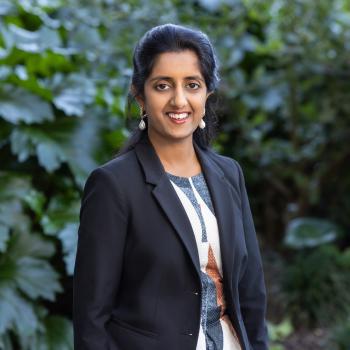
Dr. Vidyani Suryadevara is a researcher and bioengineer dedicated to uncovering the molecular mechanics of cellular senescence. Based at the Stanford University School of Medicine, her work acts as a bridge between structural bioengineering and cellular pathology.
Her research targets cellular senescence—a state of permanent cell cycle arrest that drives chronic tissue inflammation and tissue degeneration. By mapping how senescent cells alter multi-organ pathways, her research is working to isolate shared therapeutic nodes to protect cartilage cells and slow age-associated cognitive decline.
Before joining Stanford, Dr. Vidyani held instructor appointments at the Rush University Medical Center Department of Orthopedic Surgery, researching joint cartilage deterioration, and served as Adjunct Faculty in Bioengineering at the University of Illinois Chicago (UIC), lecturing and designing biomedical lab curricula.
Stanford University School of Medicine
Instructor and Research Scientist in the Department of Medicine.
10+ Years of Investigation
Conducting biological, orthopedic surgical, and translational aging research.
Ph.D. & M.S. Bioengineering
Doctoral specialization in biological tissue interfaces and lipid signaling from UIC.
Research Frontiers
Exploring the cellular boundaries of biological aging, cellular mechanics, and neurodegenerative overlaps.
Senescence Biology
Investigating the pathways of cellular senescence, analyzing the SASP inflammatory secretome triggers, and standardizing parameters for mapping senescent cells under the NIH SenNet Consortium guidelines.
- Staining and mapping markers under NIH SenNet guidelines.
- Isolation and transcriptomic characterization of SASP profiles.
- Identifying molecular nodes for targeted senolytic clearing.
Osteoarthritis & Joint Repair
Conducting detailed micro-kinetics research on cartilage repair systems, investigating bio-compatible scaffolds to stimulate chondrocyte attachment, and checking local cellular degradation factors.
Identified mechanical pathways of cellular matrix breakdown in osteoarthritic cartilage samples during tenure at Rush University.
Alzheimer’s & Dementia
Analyzing molecular signaling profiles across tissue barriers, mapping metabolic overlaps between brain cell aging and systemic conditions, and evaluating compatible carriers.
Mapping blood-brain barrier cellular senescence indicators to formulate broad-spectrum geriatric therapeutics.
Selected Contributions
Multi-Organ Senescent Cell Profiling & Therapeutic Targets
Vidyani Suryadevara, et al.NIH SenNet Consortium: Senescent Cell Detection Guidelines
NIH SenNet Consortium Collaborative (Contributor)Cartilage Degeneration and Senescence Pathways in Osteoarthritis
Vidyani Suryadevara, et al.Walk the Line: The Role of Ubiquitin in Regulating Transcription in Myocytes
Vidyani Suryadevara, et al.Nuclear lipid mediators: Role of nuclear sphingolipids and sphingosine-1-phosphate signaling in epigenetic regulation of inflammation
Vidyani Suryadevara, et al.S1P Lyase/S1P Signaling in Ventilator-Induced Lung Injury
Vidyani Suryadevara, et al.Exosomes and microparticles: The nanosized vesicles released from cells acting as biomarkers and treatment targets for lung disease
Vidyani Suryadevara, et al.Changes in the metabolism of sphingolipids after subarachnoid hemorrhage
Vidyani Suryadevara, et al.Professional Journey
Instructor & Research Scientist
Stanford University School of Medicine
Leading investigation on cellular senescence pathways, analyzing multi-organ databases under NIH SenNet guidelines, and mentoring research fellows. Faculty Fellow at the Centre for Innovation in Global Health.
Instructor, Department of Orthopedic Surgery
Rush University Medical Center
Investigated chondrocyte kinetics and cartilage tissue degeneration in human osteoarthritis models. Designed curricular lab modules for orthopedic surgery residents.
Postdoctoral Research Fellow
IUPUI Medical Center
Conducted molecular modeling of cell interfaces, investigating cellular stress factors and lipid cascades in lung injury barrier failures.
Doctor of Philosophy (Ph.D.), Bioengineering
University of Illinois at Chicago
Doctoral research in biological interfaces, lipid cascades, and cellular pathology. Appointed Adjunct Faculty in the Department of Bioengineering.
Master of Science (M.S.), Bioengineering
University of Illinois at Chicago
Specialized in bio-compatible scaffold synthesis protocols to promote local cell attachment and proliferation.
Bachelor of Technology, Biotechnology
Chaitanya Bharathi Institute Of Technology
Undergraduate thesis in cellular culture, biochemistry, bioprocess systems, and genetics.
Distinctions
Travel Award
American Society for Biochemistry and Molecular Biology
Chancellor’s Graduate Research Award
University of Illinois at Chicago
Pre-Doctoral CTSA Fellowship
Clinical and Translational Scientists Consortium
Scholar and Travel Award
Midwestern Section American Federation Medical Research
Keynotes
TEDx: “Courage Over Comfort”
Sharing scientific reflections on cellular adaptability alongside personal philosophies on stepping outside comfortable limits to drive medical breakthrough.
Scientific Visualizations
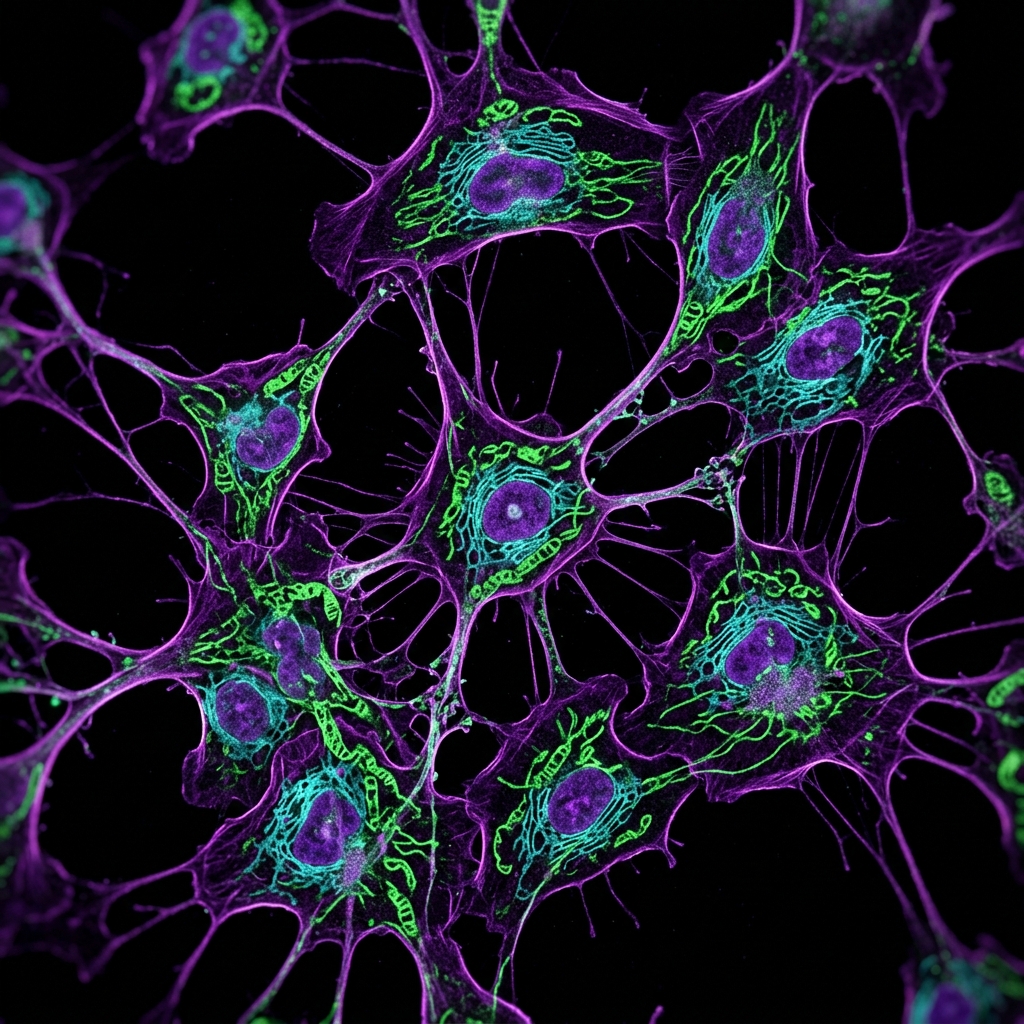
Confocal Fluorescent Microscopy
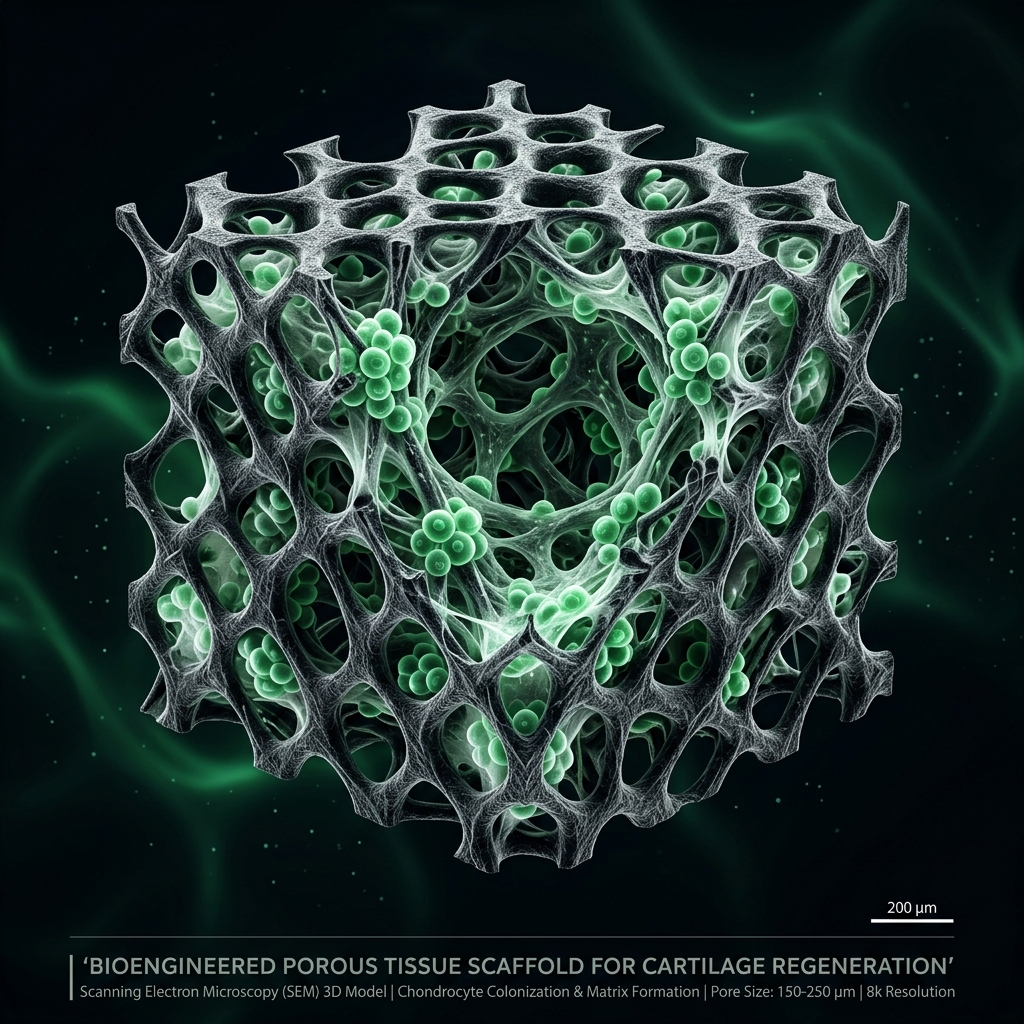
Bio-compatible Tissue Scaffold
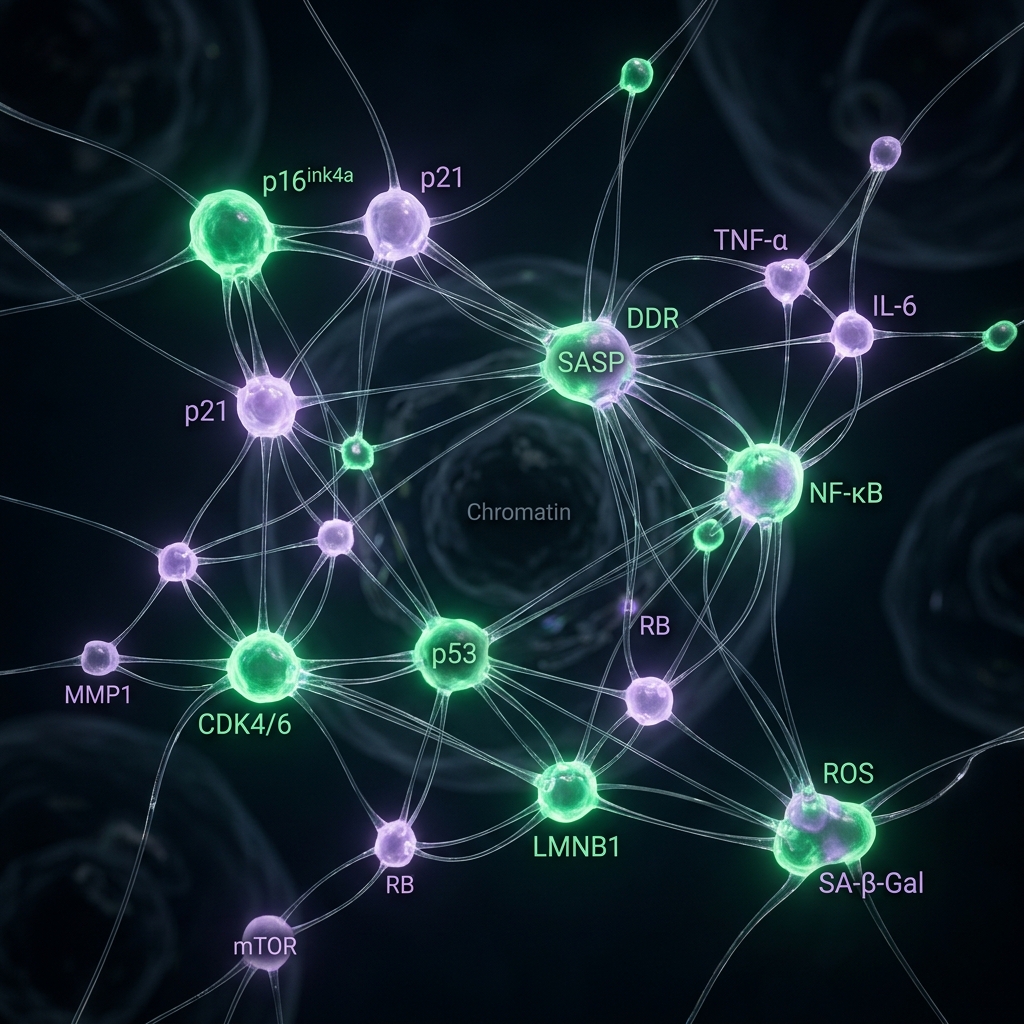
Molecular Signaling Pathways
Get in Touch
For research inquiries, global medical collaborations, academic speaking requests, or advisory roles, please submit the secure contact form.